esacard

2026 registration data

What Animals Can Be Emotional Support Animals?

Dogs and cats most of all, but also rabbits, birds, fish, guinea pigs and reptiles. HUD's 2020 notice on housing called dogs, cats, small birds, rabbits, hamsters and other rodents, fish and turtles commonly kept household animals. Other reptiles, barnyard animals and other non-domesticated animals counted as unique, with more to prove.

Of the animals registered with ESA Card from 9 August to 8 October 2026, 1 in 34 was neither a dog nor a cat, and reptiles led that group.

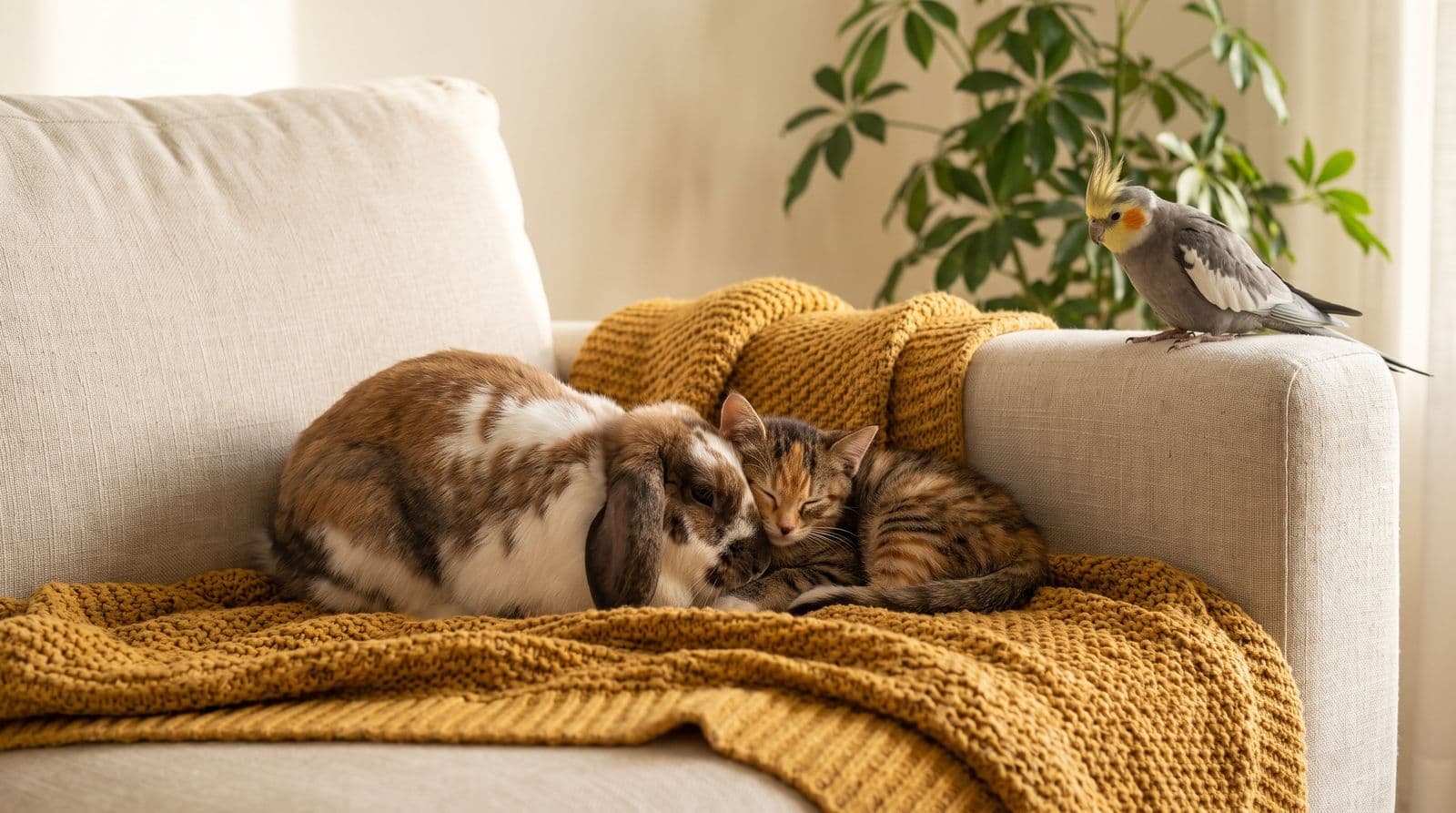
A lop-eared rabbit and a tabby kitten asleep together on a mustard blanket, a cockatiel watching from the sofa arm

The short answer

Commonly kept, or unique

HUD's 2020 notice on housing sorted animals into two groups. A commonly kept animal needed the letter; a unique one needed a reason for that animal in particular.

Commonly kept household animals

  • Dogs
  • Cats
  • Small birds
  • Rabbits
  • Hamsters
  • Gerbils
  • Other rodents
  • Fish
  • Turtles
  • Other small, domesticated animals kept at home for pleasure

Unique animals

  • Reptiles other than turtles
  • Barnyard animals
  • Monkeys
  • Kangaroos
  • Other non-domesticated animals

For these, the owner carries the burden of showing a disability-related need for that specific animal, and a health care professional's letter saying so is the evidence HUD pointed to.

Source: HUD Notice FHEO-2020-01, Part IV (Jan. 28, 2020)

1 in 8

registrations is a cat

1 in 34

is neither a dog nor a cat

38%

of those are reptiles, the biggest group

1 in 200

registrations is a bearded dragon

Our registrations

What people register

Every registration with ESA Card from 9 August to 8 October 2026, by kind of animal. Then the 2.9% that are neither dogs nor cats, opened up.

  • 69.4%

    Named dog breeds

  • 14.6%

    Mixed breeds

  • 13.1%

    Cats

  • 2.9%

    Other animals

The 2.9% that are neither dogs nor cats

  • 38%

    Reptiles

    Bearded dragons, ball pythons, iguanas and tortoises

  • 27%

    Birds

    Cockatoos, conures, macaws and Amazon parrots

  • 24%

    Rabbits

    Holland Lops, Netherland Dwarfs and Mini Rexes

  • 11%

    Small mammals

    Guinea pigs, hamsters and ferrets

Two animals are common enough to count on their own: the bearded dragon (16.7%) and the ball python (15.5%) of every non-dog, non-cat registration. That makes the bearded dragon about 1 in 200 of all our registrations.

Try it

Which animal fits your life?

Five taps. The matches change as you answer, using the care facts further down this page.

Where do you live?

How much are you home?

Anyone allergic to fur or feathers?

A child under 5 or someone over 65 at home?

How long a commitment?

Your top 3

  1. 1

    A cat

    About 1 in 8 of our registrations, and fine on its own while you are at work.

    • Fits an apartment
    • Fine while you are out
  2. 2

    A bearded dragon

    Calm, easy to tame and our most registered animal after dogs and cats, for 7 to 12 years.

    • Fits an apartment
    • Fine while you are out
    • Ten years or more
  3. 3

    A ball python

    Quiet, scale-covered and low on daily needs, for 10 to 20 years.

    • Fits an apartment
    • Fine while you are out
    • Ten years or more

Also a fit: fish, a rabbit, a cockatiel, a pair of guinea pigs, a hamster, a dog.

Animal by animal

Rabbits, birds, reptiles and the rest

Where each one stands with a landlord, what living with it is like, and one thing to know first. Each fact links to where it came from.

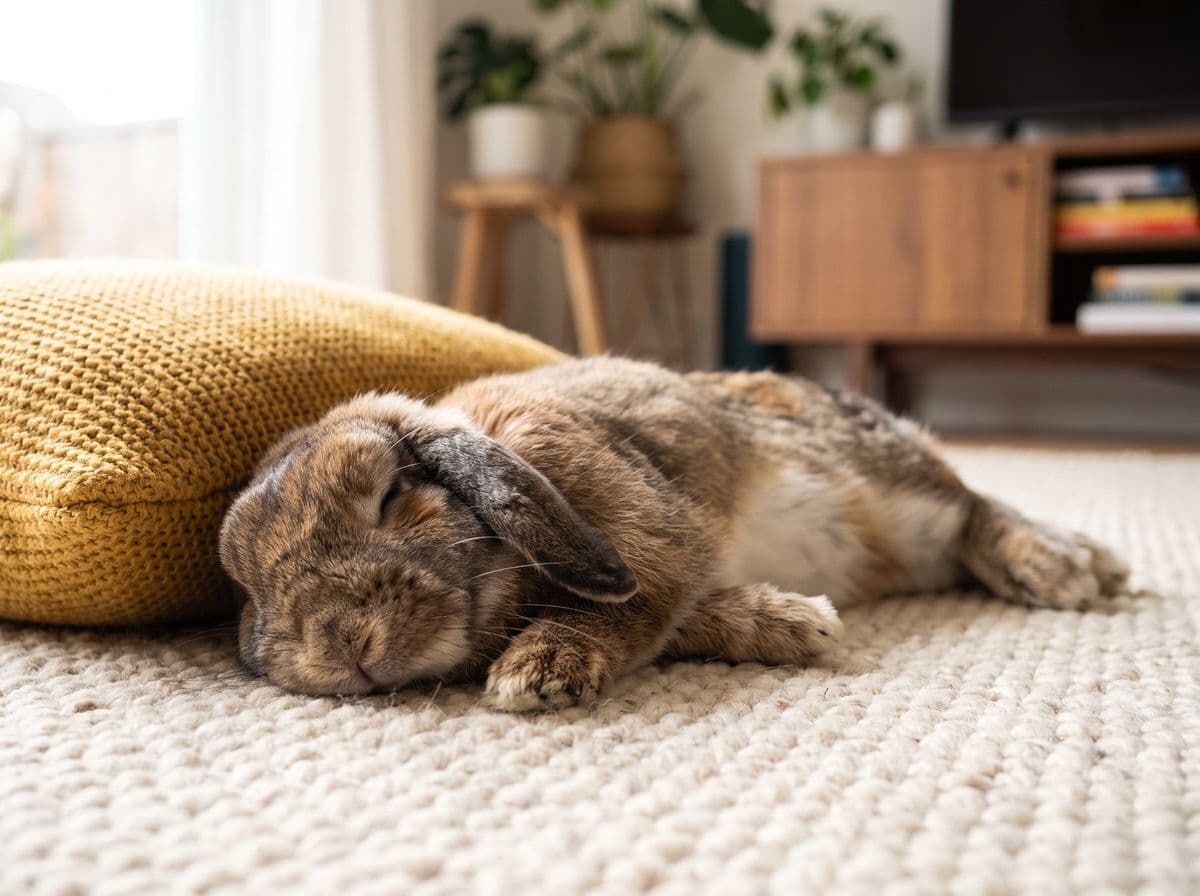
A Holland Lop rabbit stretched out asleep on a cream rug beside a mustard cushion

Rabbits

Commonly kept

With a landlord: On HUD's list of commonly kept household animals, so the clinician's letter showing your need for it is what matters.

  • Rabbits can live up to 12 years, and some have reached 15.
  • They can be trained to use a litter pan.
  • Usually quiet, social and playful when treated gently, and most active at dawn and dusk.

Good to know: Rabbits chew a great deal, electrical cords included, so make the room they roam safe before they roam it.

Our data: Rabbits are 24% of the animals registered with us that are neither dogs nor cats.

Sources: VCA Animal Hospitals: Rabbits as Pets · Merck Veterinary Manual: Rabbits · Merck Veterinary Manual: Providing a Home for a Rabbit
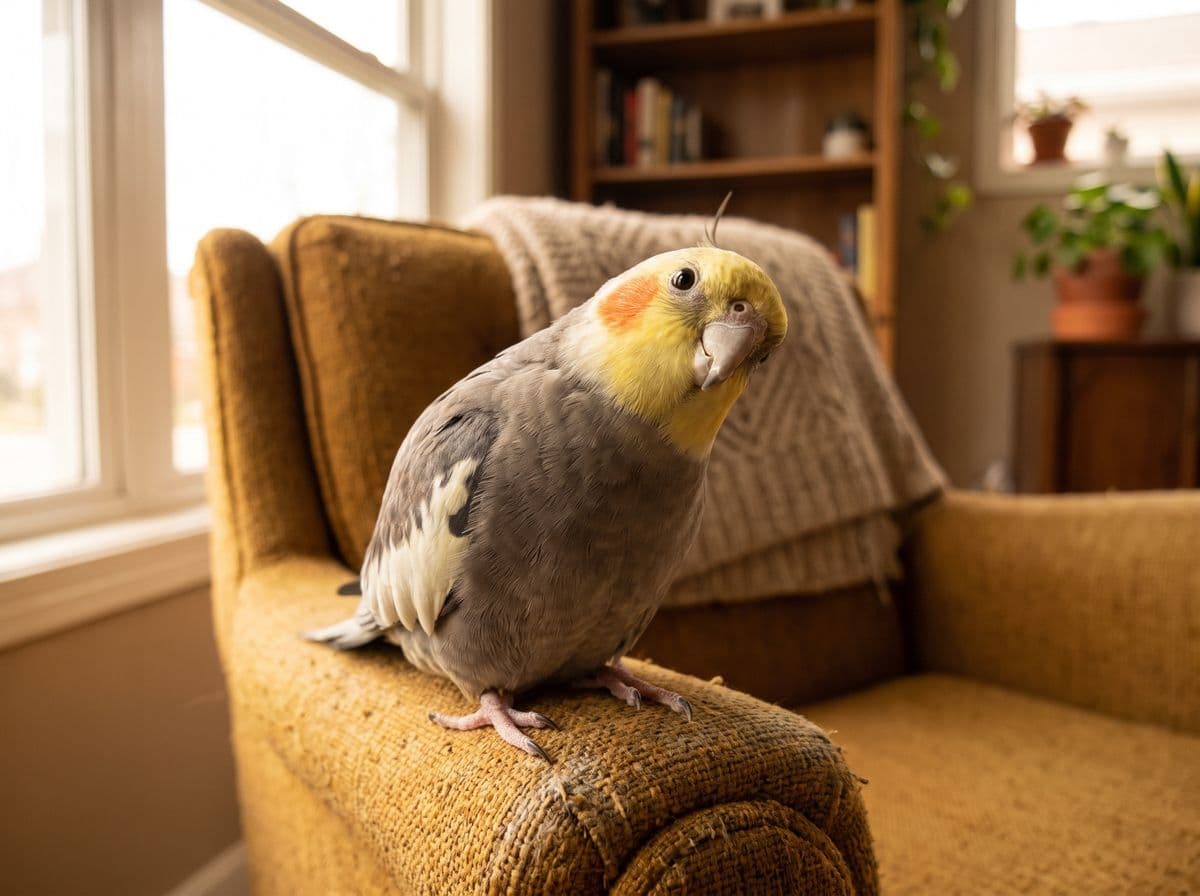
A grey cockatiel with orange cheeks perched on a mustard armchair, head tilted

Birds and parrots

Small birds: commonly kept

With a landlord: HUD's 2020 list names small birds and says nothing either way about large parrots.

  • Cockatiels live 10 to 14 years, are gentle and generally quiet, and whistle more than they talk.
  • Cockatoos live 25 to 45 years and need a great deal of attention and time out of the cage.

Good to know: Cockatoos may scream often and are not recommended for noise-sensitive people, so think about shared walls before you think about anything else.

Our data: Birds are 27% of the animals registered with us that are neither dogs nor cats, most of them parrots.

Sources: VCA Animal Hospitals: Cockatiels · VCA Animal Hospitals: Cockatoos · HUD Notice FHEO-2020-01, Part IV (Jan. 28, 2020)

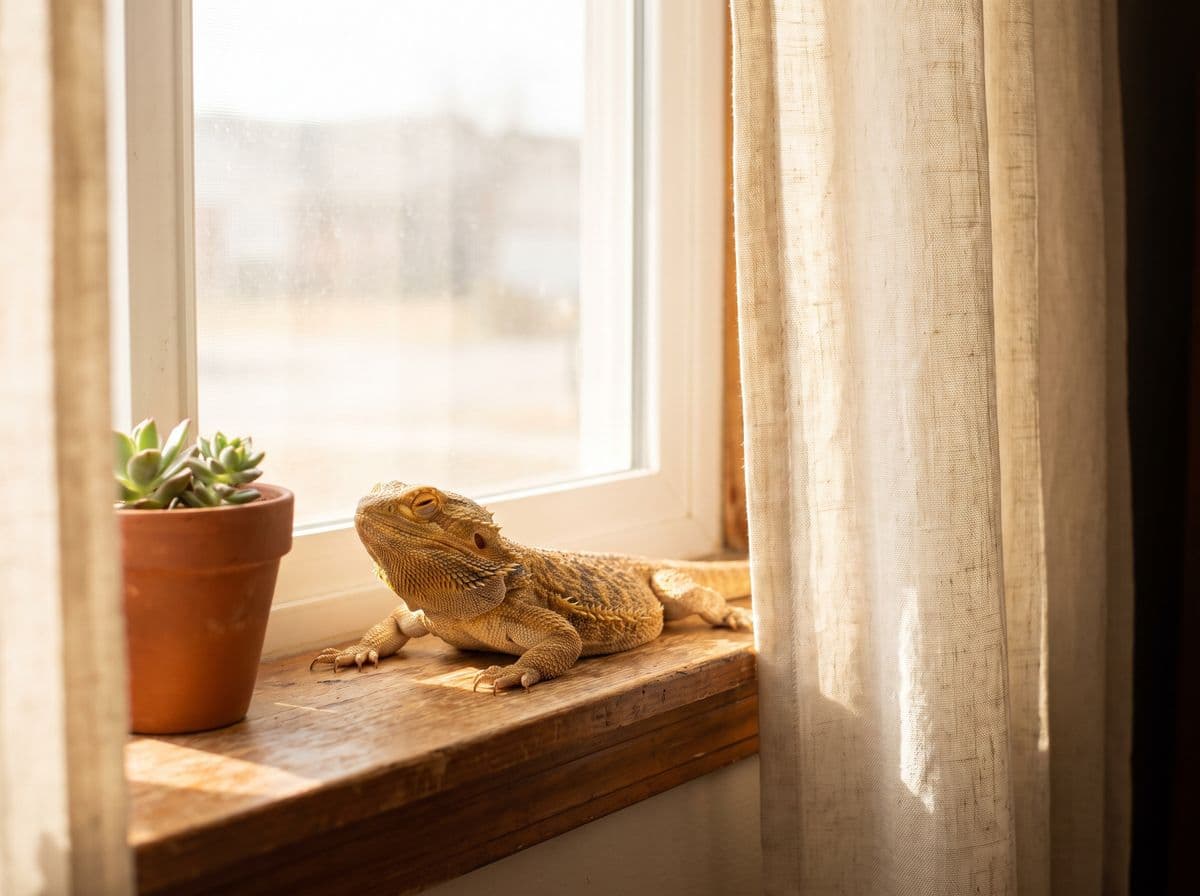
A bearded dragon basking on a sunny wooden windowsill beside a potted succulent

Bearded dragons, snakes and turtles

Turtles: commonly kept

With a landlord: Turtles are on HUD's common list. Every other reptile is a unique animal, so expect to show why you need that one in particular.

  • Bearded dragons live about 7 to 12 years, reach 18 to 22 inches and are known for being gentle and easy to tame.
  • Ball pythons grow to 5 or 6 feet, can live 10 to 20 years, and may not eat for weeks after moving to a new home.
  • Turtles with shells under 4 inches have been banned from sale in the US since 1975.

Good to know: Reptiles often carry Salmonella: wash your hands after handling them. The CDC does not recommend them for homes with young children.

Our data: Reptiles are the biggest group after dogs and cats: 38% of the other animals registered with us. The bearded dragon alone is 1 in 6 of them.

Sources: VCA Animal Hospitals: Bearded Dragons · VCA Animal Hospitals: Owning a Pet Snake · CDC: Reptiles and Amphibians

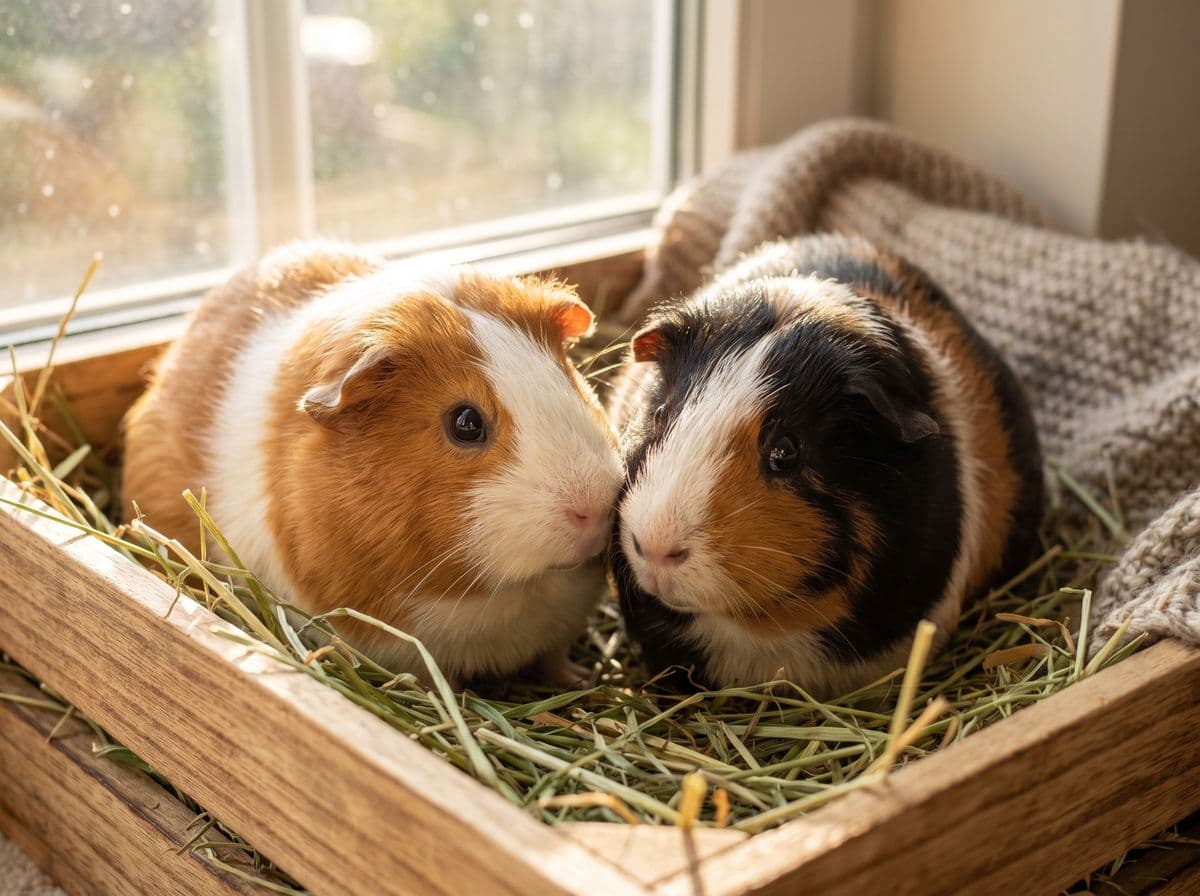
Two guinea pigs nose to nose in a bed of fresh hay

Guinea pigs, hamsters and ferrets

Rodents: commonly kept

With a landlord: Hamsters, gerbils and other rodents, guinea pigs included, are on HUD's common list. Ferrets are not named either way.

  • Guinea pigs live 5 to 6 years on average, rarely bite, and do better with a cage mate.
  • Guinea pigs need vitamin C in their food, because their bodies cannot make it.
  • Hamsters usually live 18 months to 3 years, and ferrets 6 to 10 years.

Good to know: California classes ferrets as a restricted species, and its wildlife department says they cannot be kept as emotional support animals there.

Our data: Small mammals are 11% of the animals registered with us that are neither dogs nor cats.

Sources: VCA Animal Hospitals: Guinea Pigs · Merck Veterinary Manual: Hamsters · Merck Veterinary Manual: Ferrets · California Department of Fish and Wildlife: emotional support ferrets

Fish

Commonly kept

With a landlord: On HUD's list of commonly kept household animals, so the clinician's letter showing your need for it is what matters.

  • No fur, no feathers and no noise, and a tank fits a studio apartment.
  • Germs from fish and tank water rarely make people sick, and washing your hands after feeding them or cleaning the tank is the habit that prevents it.

Good to know: If someone at home has a weakened immune system, the CDC suggests someone else looks after the tank when possible.

Sources: CDC: Fish · HUD Notice FHEO-2020-01, Part IV (Jan. 28, 2020)

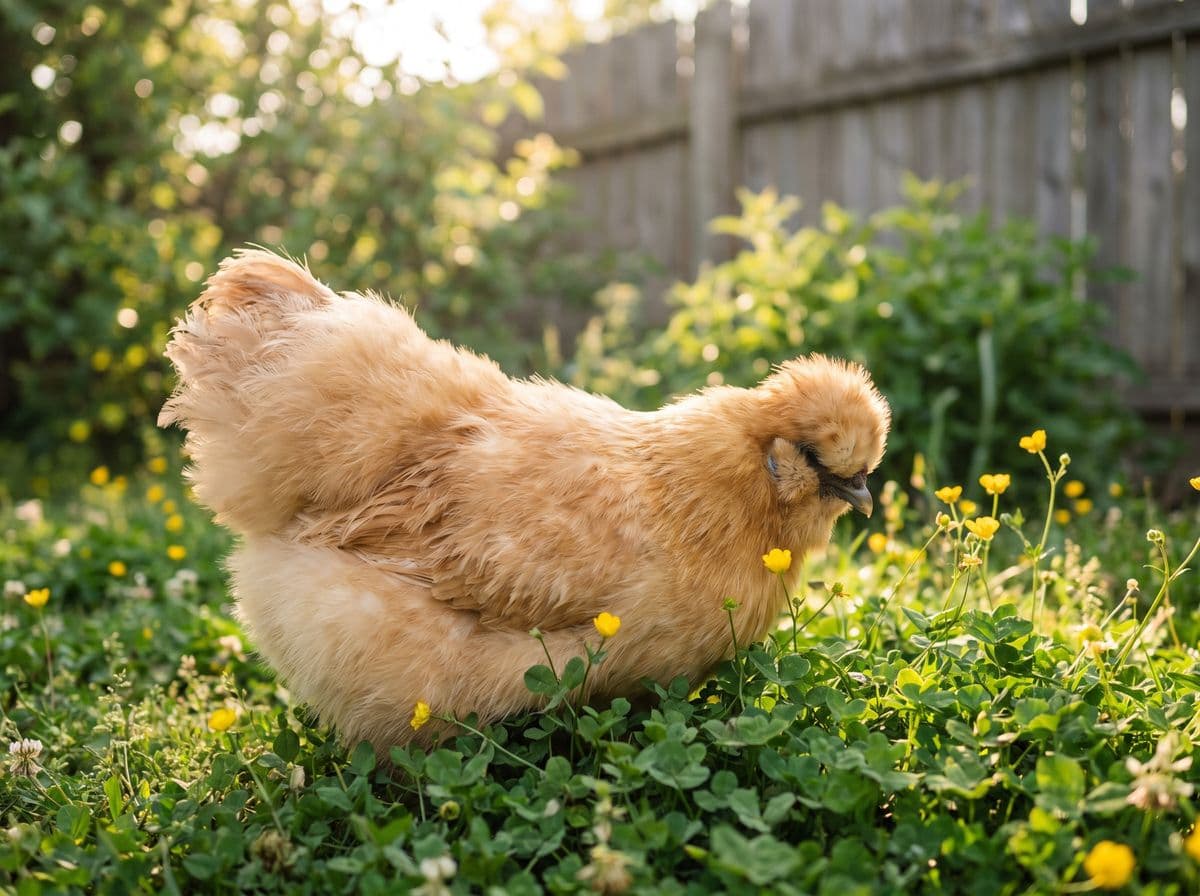
A fluffy buff Silkie hen in a sunny backyard among clover and yellow flowers

Chickens

Unique animal

With a landlord: HUD's notice counted barnyard animals as unique: you carry the burden of showing why you need this animal in particular, and a health care professional's letter saying so is what to bring. HUD's examples of unique circumstances included keeping the animal outdoors at a house with a fenced yard.

  • The CDC's advice is to keep backyard poultry outside the house, above all away from where food is made or eaten.
  • A backyard flock is company that lives outdoors: a yard, a coop and a fence come first.

Good to know: Outbreaks of Salmonella linked to backyard poultry are common, so wash your hands after handling them and save the kisses.

The emotional support chicken also lives on as a knitted toy: Annette Corsino's pattern from The Knitting Tree in Los Angeles, which nearly 11,000 knitters have posted photos of on Ravelry.

Sources: CDC: Backyard Poultry · Ironic Sans: Why is everybody knitting chickens? · HUD Notice FHEO-2020-01, Part IV (Jan. 28, 2020)

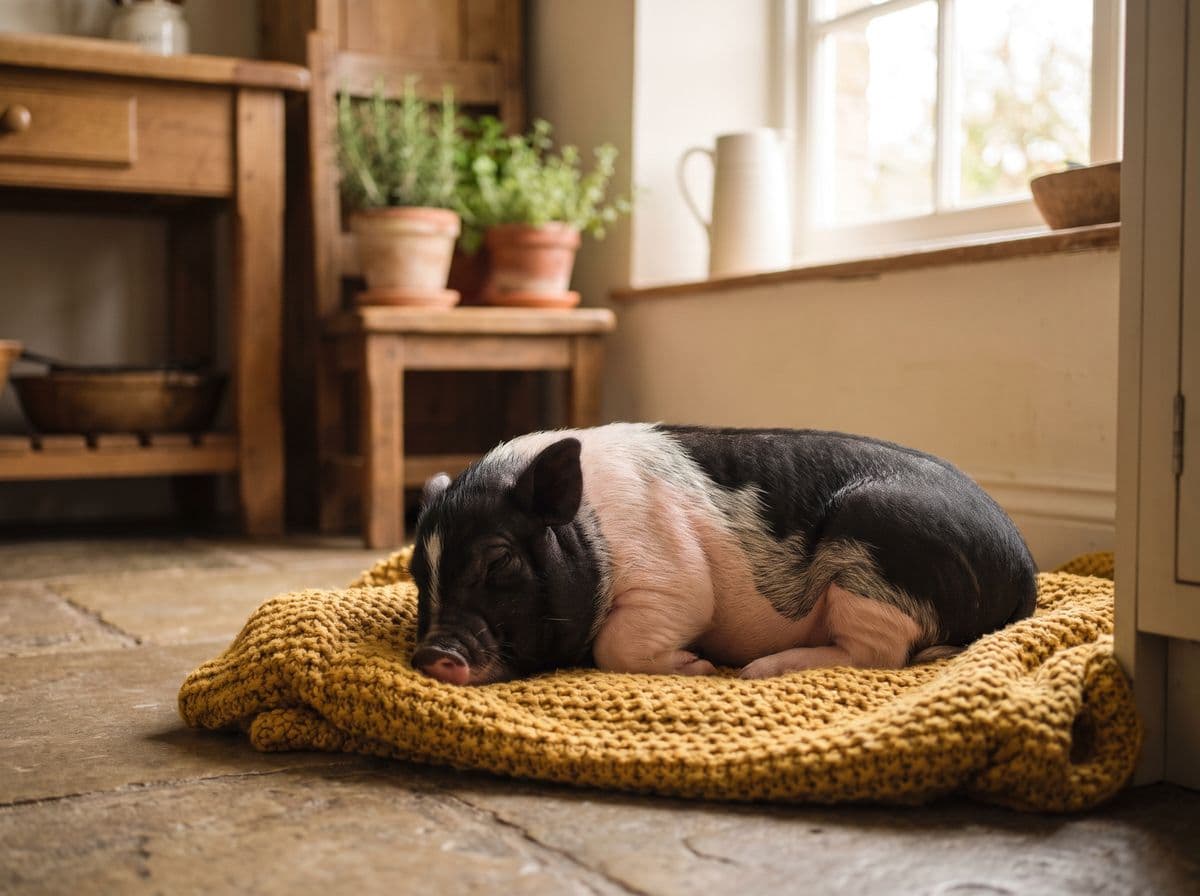
A black and pink potbellied piglet asleep on a mustard knitted blanket

Pigs

Unique animal

With a landlord: HUD's notice counted barnyard animals as unique: you carry the burden of showing why you need this animal in particular, and a health care professional's letter saying so is what to bring.

  • A potbellied pig should stand no taller than 18 inches at the shoulder, yet a grown one in trim condition can weigh well over 100 pounds.
  • They can live 8 to 25 years, and 10 to 15 is common.

Good to know: Plan your home around the grown pig, not the piglet.

Sources: Merck Veterinary Manual: Potbellied Pigs · HUD Notice FHEO-2020-01, Part IV (Jan. 28, 2020)

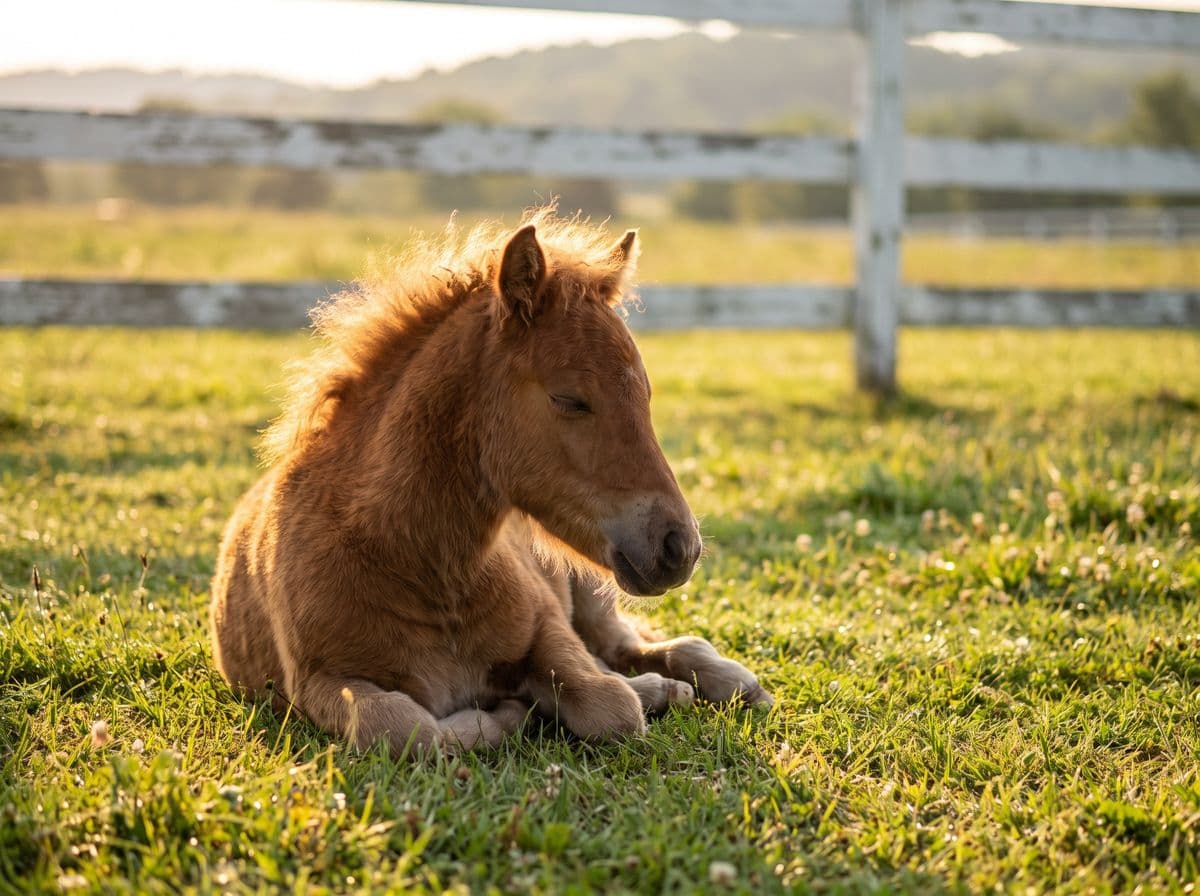
A chestnut miniature horse foal lying in a grassy paddock at golden hour

Miniature horses

Unique animal

With a landlord: HUD's notice counted barnyard animals as unique: you carry the burden of showing why you need this animal in particular, and a health care professional's letter saying so is what to bring. HUD's notice cites a 2015 appeals case, Anderson v. City of Blue Ash, over a family keeping a miniature horse at home.

  • Miniature horses generally stand 24 to 34 inches at the shoulder and weigh 70 to 100 pounds.
  • The ADA gives public access only to miniature horses individually trained to do tasks, and only case by case.

Good to know: A horse kept for comfort alone has no ADA access to shops or restaurants, so think of it as a backyard companion.

Sources: ADA.gov: Service Animals · HUD Notice FHEO-2020-01, Part IV (Jan. 28, 2020)

The ones in the news

The alligator and the peacock

Two animals made emotional support animals famous. Here is what happened to each.

Wally, the emotional support alligator

Joie Henney of Jonestown, Pennsylvania, took in Wally, a rescued alligator, in 2015, and a doctor treating Henney's depression endorsed Wally as an emotional support animal. Wally was turned away from a Philadelphia Phillies game in 2023 and went missing on a trip to Brunswick, Georgia, in April 2024. Georgia does not allow keeping an alligator without a special license or permit.

An alligator is the clearest case of HUD's "non-domesticated" animal: the furthest thing from commonly kept.

Source: AP via NBC News, 2 May 2024

The emotional support peacock

In January 2018, United Airlines turned away an emotional support peacock at Newark Liberty International Airport. United said the bird did not meet its guidelines, including on weight and size, and that it had explained so three times before the trip.

Since 11 January 2021, US airlines may treat emotional support animals as pets rather than as service animals.

Source: NBC News, 30 Jan 2018 · US DOT, Traveling by Air With Service Animals (Federal Register, 10 Dec 2020)

For writers and researchers

Use these numbers

Quote any figure on this page in an article, a post or a study. Please credit ESA Card and link here. The dog and cat breeds are on the breed page.

ESA Card, "What Animals Can Be Emotional Support Animals? (2026 Data)", registrations from 9 August to 8 October 2026. https://www.esacard.com/types-of-emotional-support-animals

Emotional support animal questions

Dogs and cats most often, but also rabbits, birds, fish, guinea pigs, hamsters, turtles and other animals people keep at home. HUD's 2020 notice on housing called those commonly kept household animals. Reptiles other than turtles, barnyard animals, monkeys, kangaroos and other non-domesticated animals counted as unique, with more for the owner to show.

Whatever the animal, register yours in about 3 minutes

A certificate and a wallet card with your animal's photo, and a registration number anyone can check.

Keep reading: registering a dog · registering a cat · the most popular breeds · getting the ID card