Guides
How to Register a Cat as an Emotional Support Animal (and What Actually Matters)
Registering a cat as an ESA takes about 3 minutes: pet details, a photo, done. Here's exactly what registration does for you, plus the honest truth about what it doesn't.

On this page
Registering a cat as an emotional support animal takes about 3 minutes at /register: your cat's details, a photo, and your name and city. No health questions, no evaluation, no appointments. The Digital Kit is $39$59$79$99 and arrives by email instantly: a Certificate of Registration and a wallet ESA Card with your cat's photo, delivered as two separate print-ready documents, plus a listing at esacard.com/verify. One kit covers one cat, so a second cat needs a second kit. Now the honest part, up front: registration is optional, there is no government ESA registry, and the document that carries the weight is an ESA letter from a licensed mental health professional. Cats are eligible for that on exactly the same terms as dogs under the Fair Housing Act. This guide covers both the 3-minute registration and the letter that actually creates rights.
What "registering" a cat as an ESA actually means
Search for cat ESA registration and you'll find dozens of sites selling registry listings, ID numbers, and downloadable certificates. Here's the honest part: none of those documents create legal rights, including the ones we sell. Our registry is a private convenience service, and we say so on every page. HUD's 2020 guidance said it directly: registrations and certificates obtained online are not, by themselves, reliable documentation of a disability-related need for an assistance animal. HUD withdrew that guidance in 2025, and the withdrawal changed nothing in a registration's favor: under the FHA, the reliable document is still a letter from a licensed professional who has actually evaluated you.
So what is registration for? Everyday convenience. A wallet card with your cat's photo, printed at home from the PDF we email you, is easier to show a pet-sitter, a building manager at the door, or an emergency vet than digging up a file on your phone. The verification listing lets anyone confirm your registration in seconds. Our emotional support animal registration and ESA card pages explain exactly where these items help, and they never claim to replace the letter.
How to register your cat, in about 3 minutes
- Enter your cat's details and upload a photo at /register. Name and a photo you like. That photo goes on the ID card. No health questions, no evaluation, no appointment, no waiting for anyone's approval.
- Add your name and city, then the email address the kit should go to, and a phone number. That's the whole application. Registration is open to any cat owner. It describes your relationship with your cat; it doesn't certify a medical need.
- Get your kit instantly. The Digital Kit ($39$59$79$99) emails your Certificate of Registration and wallet ESA Card as two separate print-ready documents, plus your verification listing, the moment you finish. The Complete Kit ($69$89$109$129) adds the card and certificate printed and mailed by us, to United States addresses only; compare both kits on our pricing page. One kit covers one cat.
Every kit comes with a 30-day money-back guarantee, no questions asked. A refunded registration then shows as inactive on /verify. Details at /refund-policy.
Do cats qualify the same as dogs? Yes.
The Fair Housing Act is species-neutral for common household animals: it protects the assistance animal relationship, not a particular kind of pet. A cat that keeps you grounded through panic attacks, gives you a reason to get up in the morning, or interrupts a spiral at 2 a.m. is doing exactly the work the law recognizes. Licensed professionals write ESA letters for cats every day.
Cats are also, practically speaking, the easy case for landlords. They're quiet, they stay indoors, and they don't trigger the breed and weight rules that complicate dog requests. And note what an ESA evaluation is about: your need, not your cat's résumé. There's no temperament test, no training requirement, and no minimum age for the animal.
Give your companion the card
Register your emotional support animal in about 3 minutes. Your Certificate of Registration and wallet ESA Card arrive by email as two print-ready PDFs, backed by a 30-day guarantee.
About 3 minutes · Instant digital delivery
30-day money-back guarantee, no questions asked.What the letter changes at a no-pet apartment
- No-cat and no-pet buildings must still consider your request. Under the Fair Housing Act, a blanket pet ban is not a legal reason to deny a reasonable accommodation. Your ESA cat is legally an assistance animal, not a pet.
- Pet fees are often waived. Buildings commonly charge a few hundred dollars up front plus monthly pet rent per cat, and many waive it for an ESA with a clinician's letter; rules vary by state and building, so ask yours.
- "One pet per unit" and similar limits bend to the accommodation. If your letter's clinician determines you need both of your cats, the request covers both.
- You remain responsible for actual damage. Scratched carpet or a shredded window screen is on you, like any tenant damage. A waived pet fee doesn't waive accountability.
- Your privacy holds. A landlord may verify the letter is real and the clinician is licensed. They may not demand your diagnosis, your medical records, or proof of what your cat does for you.
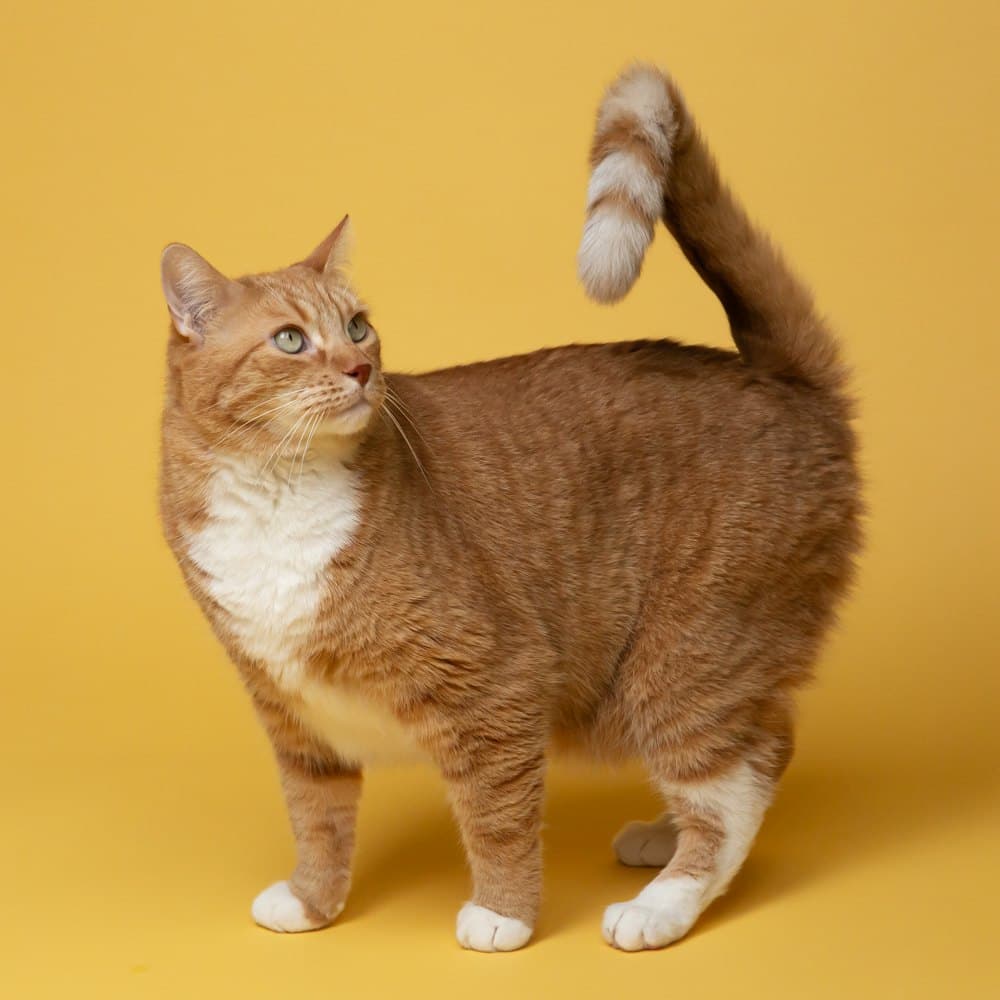
How to get an emotional support cat: the letter, not the registration
The cat you already own becomes an emotional support cat the day a licensed mental health professional determines it's part of how you manage a condition: there's no training, no test, and no minimum age, so "getting an emotional support cat" means getting that letter. Here's the honest playbook. First choice: ask your own therapist or psychiatrist. If you're already seeing someone for anxiety, depression, PTSD, or a similar condition, many providers will write an ESA letter at no extra charge. Bring the free sample letter so they can see exactly what housing providers expect. No current provider? In New Jersey and New York we can book you a live video evaluation with an independent therapist licensed there ($120, refunded in full if they can't approve you). Elsewhere, legitimate telehealth letter services with clinicians licensed in your state typically charge $139–$199. Before you pay, verify three things: the clinician is licensed in your state, a live evaluation actually happens, and the letter includes a verifiable license number. Walk away from any site promising an instant letter. That's the tell for a document your landlord can reject. Our ESA letter guide goes deeper.
One timing note, and it lands differently for a cat than for a dog. Louisiana and Montana require a 30-day provider-client relationship before any ESA letter can be issued, whatever the animal, so in those two states expect the process to take about a month by law. California (Health & Safety Code § 122318, from AB 468) and Arkansas (§ 20-14-1003) write their 30-day rules around emotional support dog documentation specifically, so they don't reach a cat letter. Iowa imposes no wait on anyone; Iowa Code § 216.8C(1)(d) requires the provider's written finding to certify whether a provider-patient relationship of at least 30 days exists. For a cat letter, then, the practical picture is the federal reliable-documentation standard everywhere, plus the Louisiana and Montana clock if you live there. Our state law guides cover the details.
Two cats? That's two registrations
Bonded pairs and multi-cat households are one of the most common situations we see. Each registration covers one cat, so a second cat needs a second kit, with its own certificate, card, and verification listing. On the legal side, the letter works differently: if the clinician who evaluates you determines you need both cats, both are named in the letter your landlord receives. For three or more animals, talk to your provider; the accommodation must stay reasonable, and that's a case-by-case judgment.
Where the card and certificate honestly fit
Radical honesty, one more time: the letter is the only legally meaningful document. Everything else is a convenience layer, and our pricing reflects that. The Digital Kit ($39$59$79$99) gets you the Certificate of Registration and the wallet ESA Card with your cat's photo as two separate print-ready documents, plus the verification listing, emailed instantly. Print the card and it's handy for showing a pet-sitter, a building manager at the door, or an emergency vet without pulling up a PDF. The Complete Kit ($69$89$109$129) adds the card and certificate printed and mailed by us, to United States addresses only; both kits are compared on that same pricing page. Each kit is one payment covering one cat and includes 12 months on the verification listing; a yearly renewal keeps the listing after that, stated with its price before you pay and off in one press.
Bottom line: if your cat is part of how you manage your mental health, get the letter from a licensed professional: your own provider first, a legitimate telehealth service second. And if a photo ID card and certificate would make daily life with your cat easier, register in about 3 minutes. It's $39$59$79$99, instant, one cat per registration, and the emotional support cat registration page shows your own cat on the card and certificate before you pay. And if there's a dog in the family too, emotional support dog registration works exactly the same way.
Your pet, in your wallet
The part you actually carry
An ESA letter goes in your lease file. The ESA Card is the everyday one: your animal's photo, a certificate for the wall, and a registration number anyone can check. $39$59$79$99 once, about three minutes.
About 3 minutes · Instant digital delivery
30-day money-back guarantee, no questions asked.